 KILL-FRUIT-FLIES.COM
THE SHORT VERSION
The plug-in trap was the clear winner.
For my kitchen, that was a plug-in light-and-sticky-cartridge trap. I plugged it into an outlet near the counter, turned off competing lights at night, and saw flies on it the first night. Over the next several days, the number flying around dropped noticeably.
The breeding source still matters. Remove fermenting food and moist organic material, then let the plug-in trap catch the adults already flying around.
SIDE BY SIDE
Three common fruit fly trap approaches
| Trap type | How it catches adults | Placement | Upkeep | My take |
|---|---|---|---|---|
| Homemade vinegar jar | Fermenting scent attracts flies into or onto a liquid trap. | Near visible activity, away from food preparation. | Mix, monitor, empty, and refresh it. | This time, my covered vinegar bowl caught one fly. |
| Disposable lure trap | A packaged attractant draws adults into a container. | Follow the label; usually near the problem area. | Replace the unit or lure as directed. | Convenient, but still requires placement and replacement. |
| Plug-in light trap | Light attracts flying insects to a replaceable sticky cartridge. | In an unobstructed outlet near activity. | Check and replace the cartridge when needed. | This is the option that made a real difference in my kitchen. |
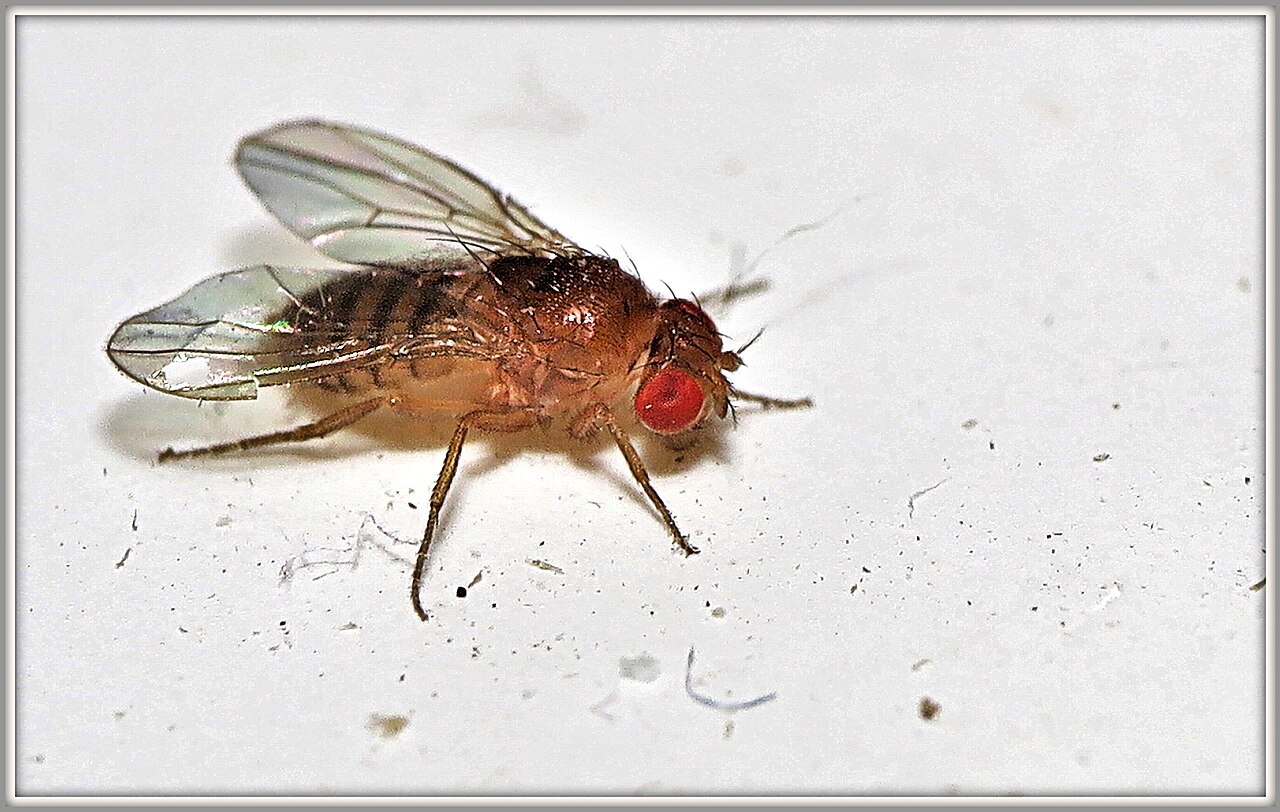
MY PHOTOS / MY KITCHEN
The vinegar bowl caught one. The Smart Light caught tons.
I set a cellophane-covered vinegar bowl directly below the plug-in trap. This time around, the flies did not seem attracted to the vinegar. The bowl caught one. The Smart Light's sticky cartridge caught tons of them.
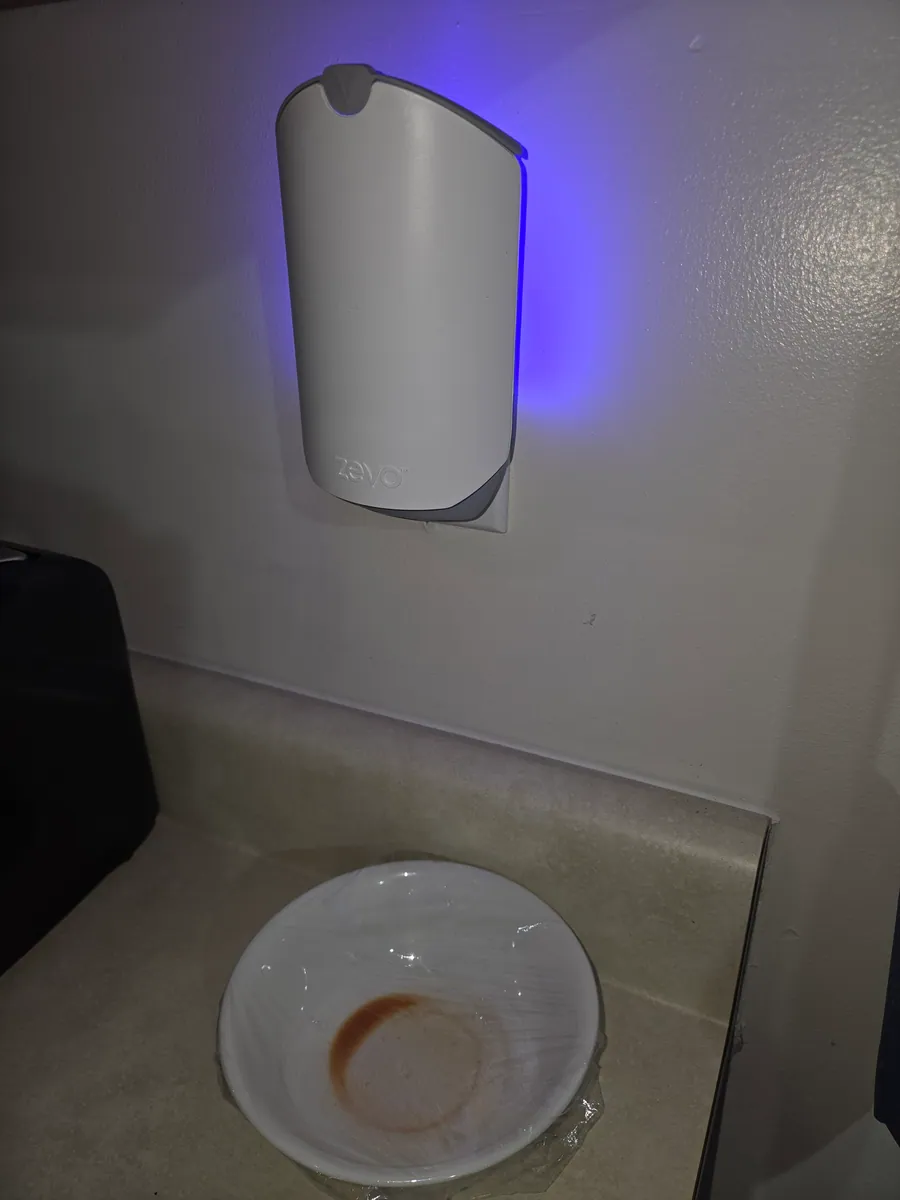
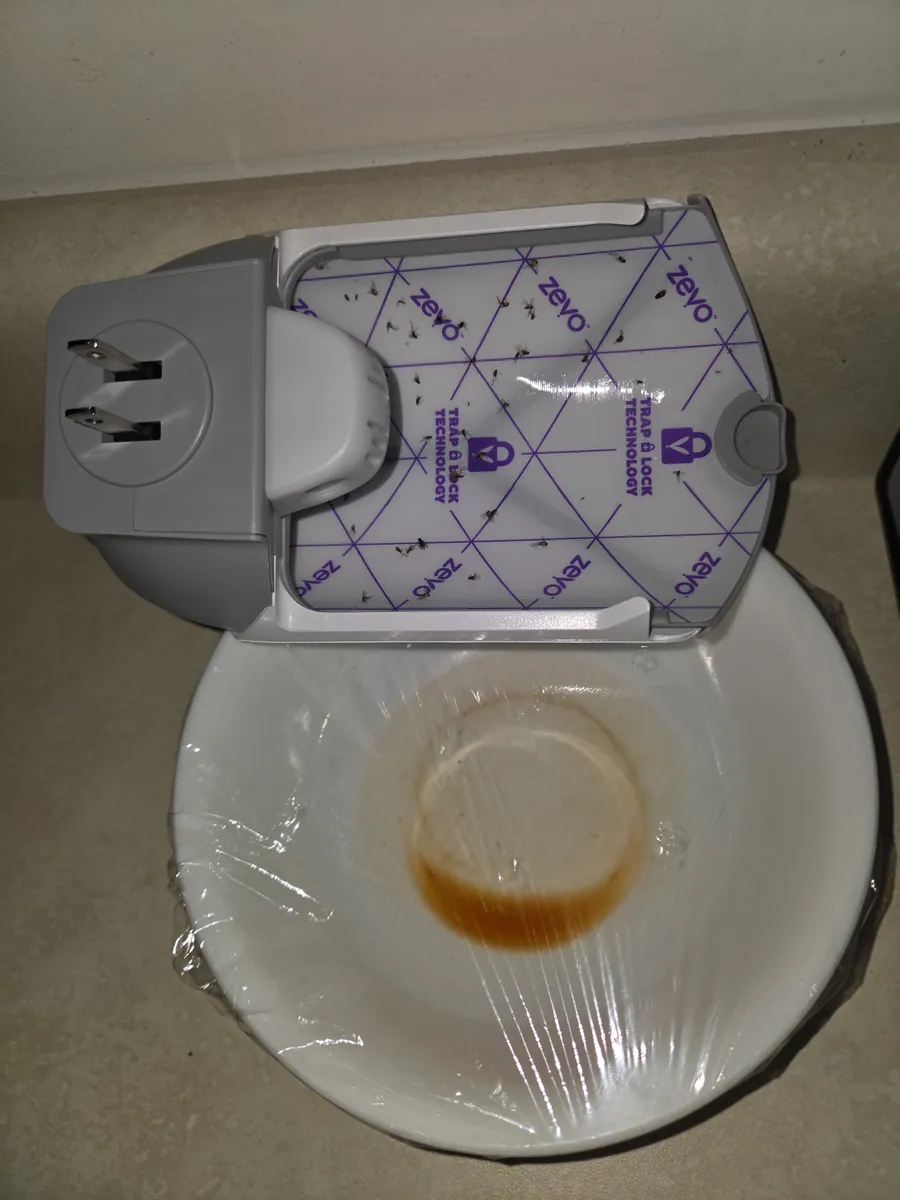
I poured gels down the drain and tried homemade traps first. The plug-in was simpler: no bait mixture and no smell. I left it in the outlet near the counter, turned off the other lights at night, and let the Smart Light pull the flies to the sticky cartridge.
THE BUDGET BACKUP
Can’t afford the refills right now?
I get it. We are not made of money. Reuse the old cartridge as the holder, give it a fresh sticky surface, and let that little light keep working.
- 01Unplug the trap.
Remove the used sticky cartridge while the light is unplugged.
- 02Reuse the old cartridge.
Put double-sided tape on its catch surface, or press loops of gray duct tape onto it with the sticky side facing out.
- 03Put the cartridge back.
Slide the taped cartridge back into place, then plug the trap in again.
- 04Kill the competing lights.
Turn off the other lights in the room at night so the trap is the obvious destination.
- 05Refresh the tape.
When it fills, unplug the trap, peel off the used tape, and add a fresh sticky layer.
Keep it neat. Keep the tape on the cartridge’s catch surface and clear of the light, openings, plug, and outlet.
BEFORE YOU BUY
Choose around the actual problem
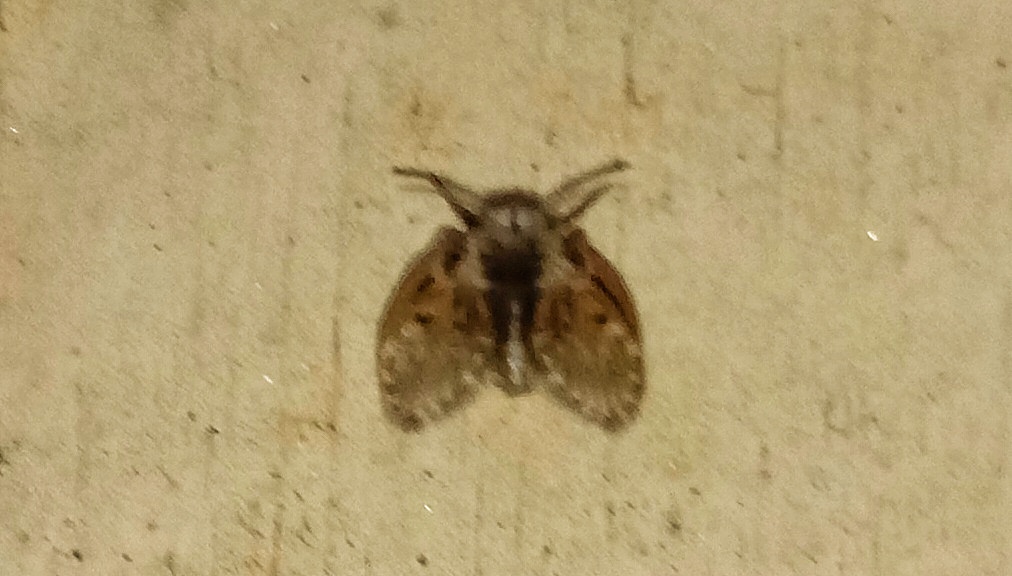
- Confirm the insect. Fuzzy, moth-like flies near a drain point to drain flies, which call for cleaning the material inside the plumbing.
- Remove competing food. Refrigerate or discard overripe produce and clean residues from bottles, cans, trash, recycling, and garbage disposals.
- Use traps as support. Traps catch adults; they do not remove eggs and larvae developing in a breeding source.
- Plan for upkeep. Every trap needs something—fresh bait, a replacement unit, or a new sticky cartridge.
COMMON QUESTIONS
Fruit fly trap FAQ
Do fruit fly traps solve the source?
No. A trap can reduce visible adults, but fermenting or moist organic material can continue producing flies until it is removed or cleaned.
Where did I place my plug-in trap?
I used a kitchen outlet near the counter where I was seeing activity. Keep any device clear of splashes and follow its product instructions.
How quickly did mine catch flies?
It caught flies the first night. Over the next several days, the number flying around dropped noticeably.
FACT-CHECK SOURCES